01
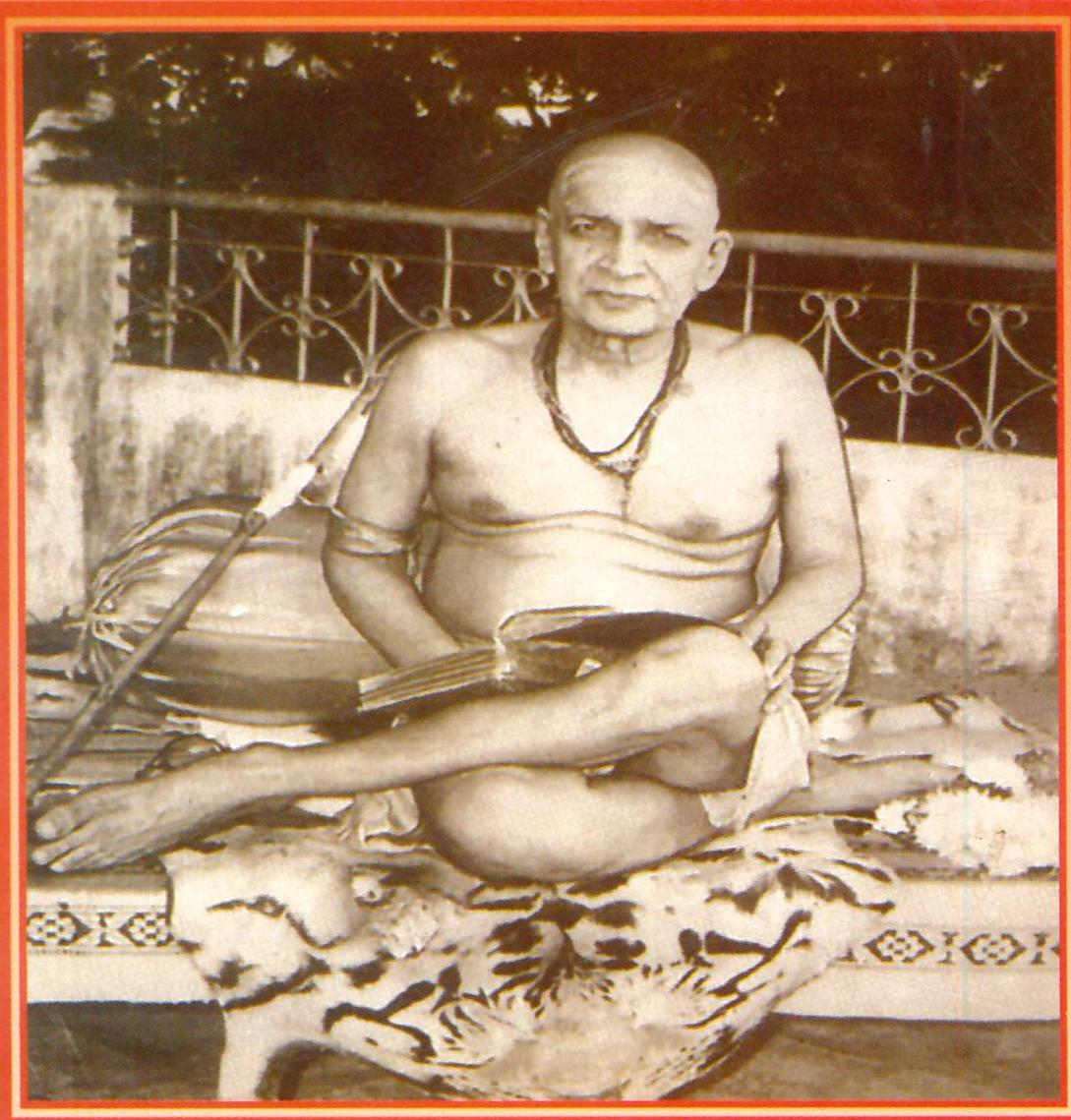
From Haranarayan to Swami Hariharananda Saraswati
Born as Shri Haranarayan on Shravan Shukla Dwitiya, a Sunday in 1907, Maharaj Ji embraced the path of vairagya while still young. After leaving home in 1926, he reached Prayag and, under the guidance of Swami Brahmananda Saraswati Ji Maharaj, took the vow of Naishtika Brahmacharya and received the name Hariharchaitanya.
At Narvar, under Shatdarshanacharya Swami Vishweshwar Ashram Ji Maharaj, he undertook an intense study of the astika systems of philosophy. Following Sannyasa Diksha in 1931–32, he became Swami Hariharananda Saraswati. This union of learning, renunciation and discipline became the ground of his entire life.
02
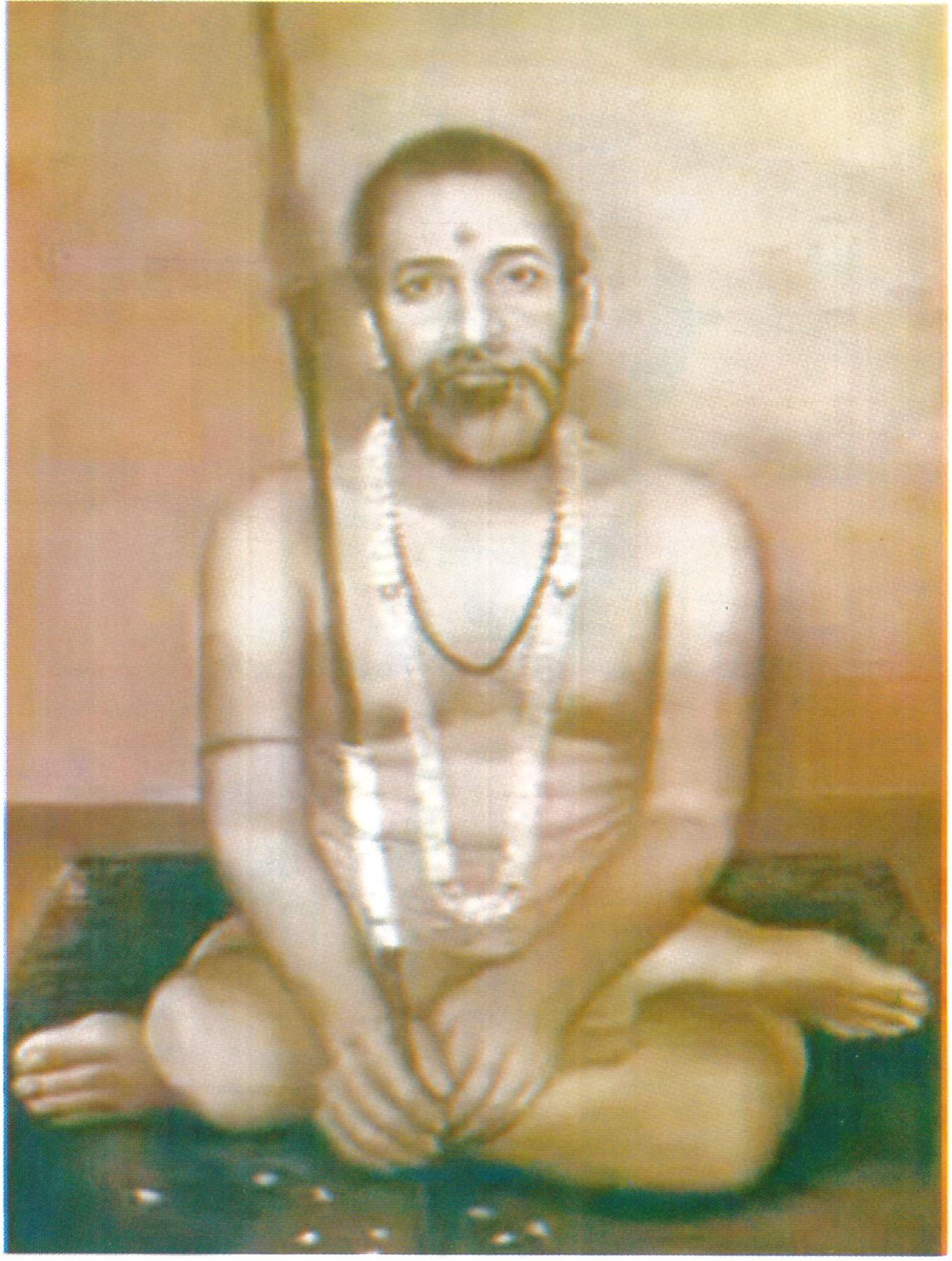
From tapasya to the resolve of lokasangraha
Sadhana on the banks of the Ganga and deep meditation in a cave at Rishikesh formed a decisive chapter of his life. Spiritual realization did not lead him into permanent withdrawal; it directed him toward the service of Vaidika Sanatana Dharma and the awakening of society.
His public life was therefore never separate from his spiritual life. Journeys on foot, shastrartha, teaching, writing, Dharma conferences and his engagement with the questions of society were all expressions of the same sadhana in the form of lokasangraha.
03
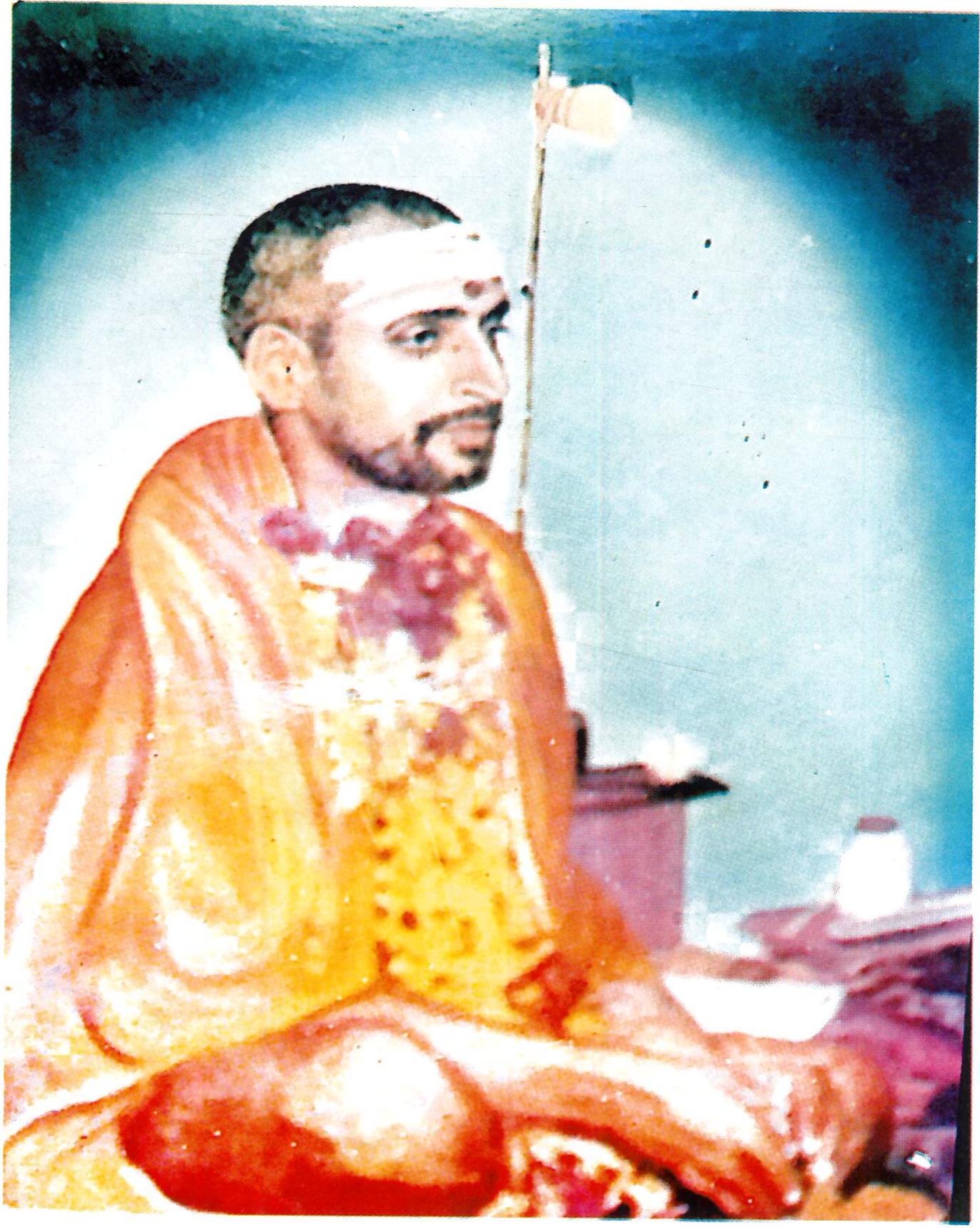
‘Karpatri’—a name established through renunciation
As a Paramahamsa he travelled with the barest clothing and needs. Because he used his own palm as the vessel for food—kara meaning hand and patra meaning vessel—the name ‘Karpatri’ became widely known.
This was more than the origin of a name. Karpatri became a sign of his aparigraha and simplicity: a life without personal accumulation, with all strength offered to Dharma and the welfare of the world.
04
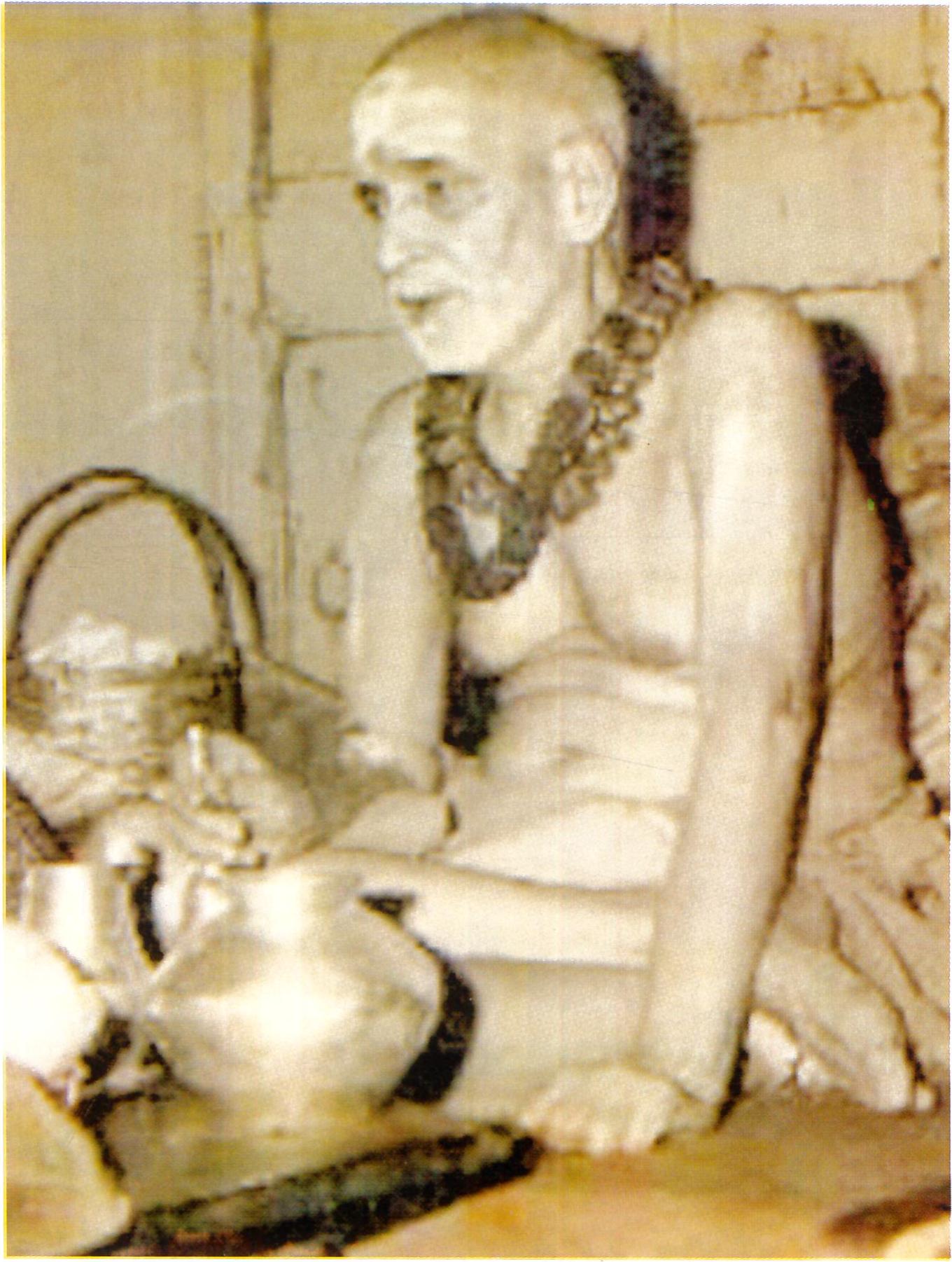
The scholar-saint
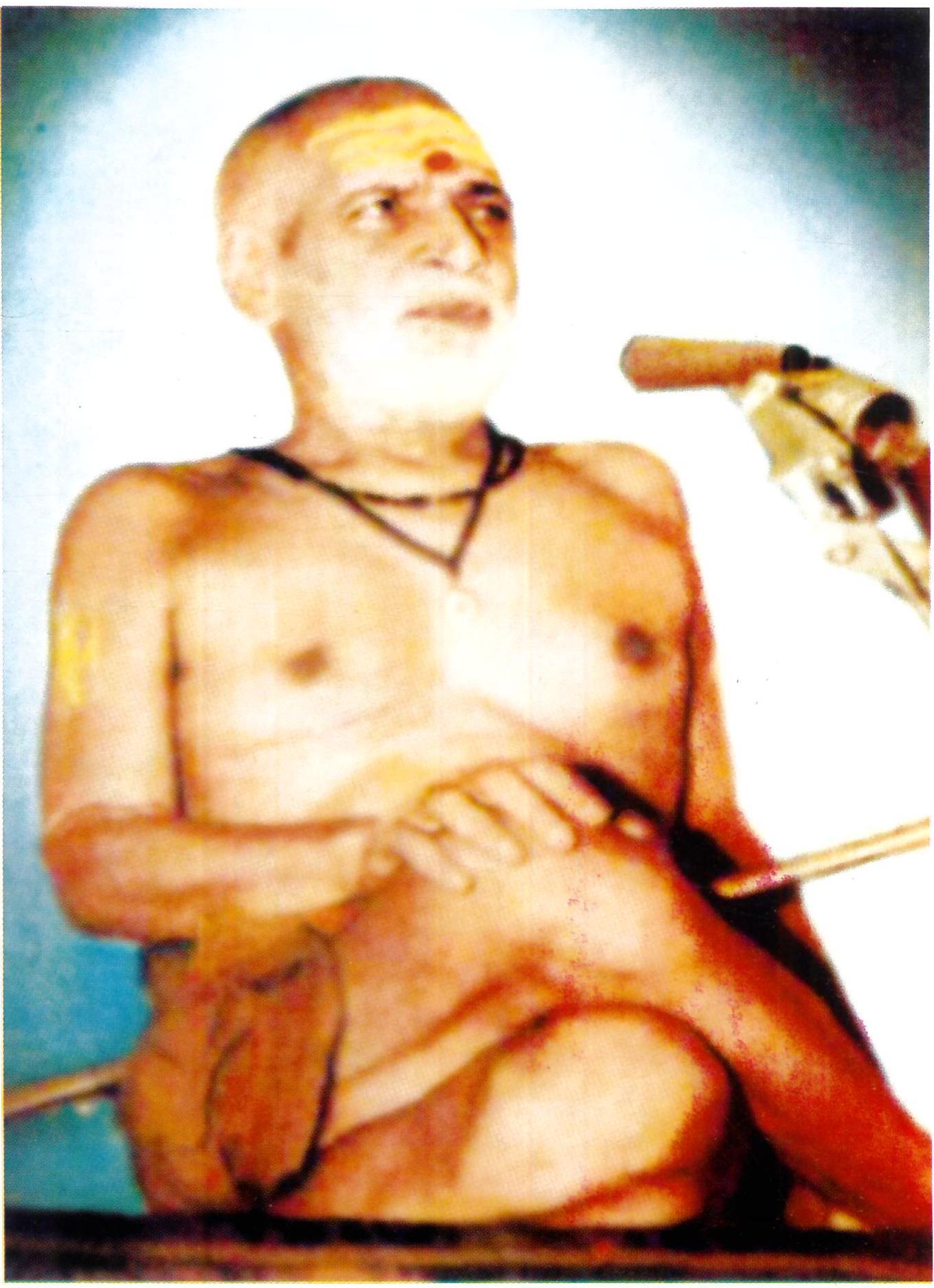
Maharaj Ji’s scholarship was never a display of erudition. His command of the Veda, Vedanta, Mimamsa, Nyaya, Dharmashastra, Bhakti, Tantra and other streams of learning was grounded in sadhana, study and teaching. During Chaturmasya he taught the Prasthanatrayi, Mimamsa, Nyaya, Tantra and Veda to yatis, scholars, Brahmanas and students.
For him, shastra was a perennial source of guidance. He understood and taught dharma-darshana through the harmony of shruti, reason and realization; his thought therefore extended beyond the monastery or classroom into personal, family, social and political life.
05
Dharma Sangha and an awakening across Bharat
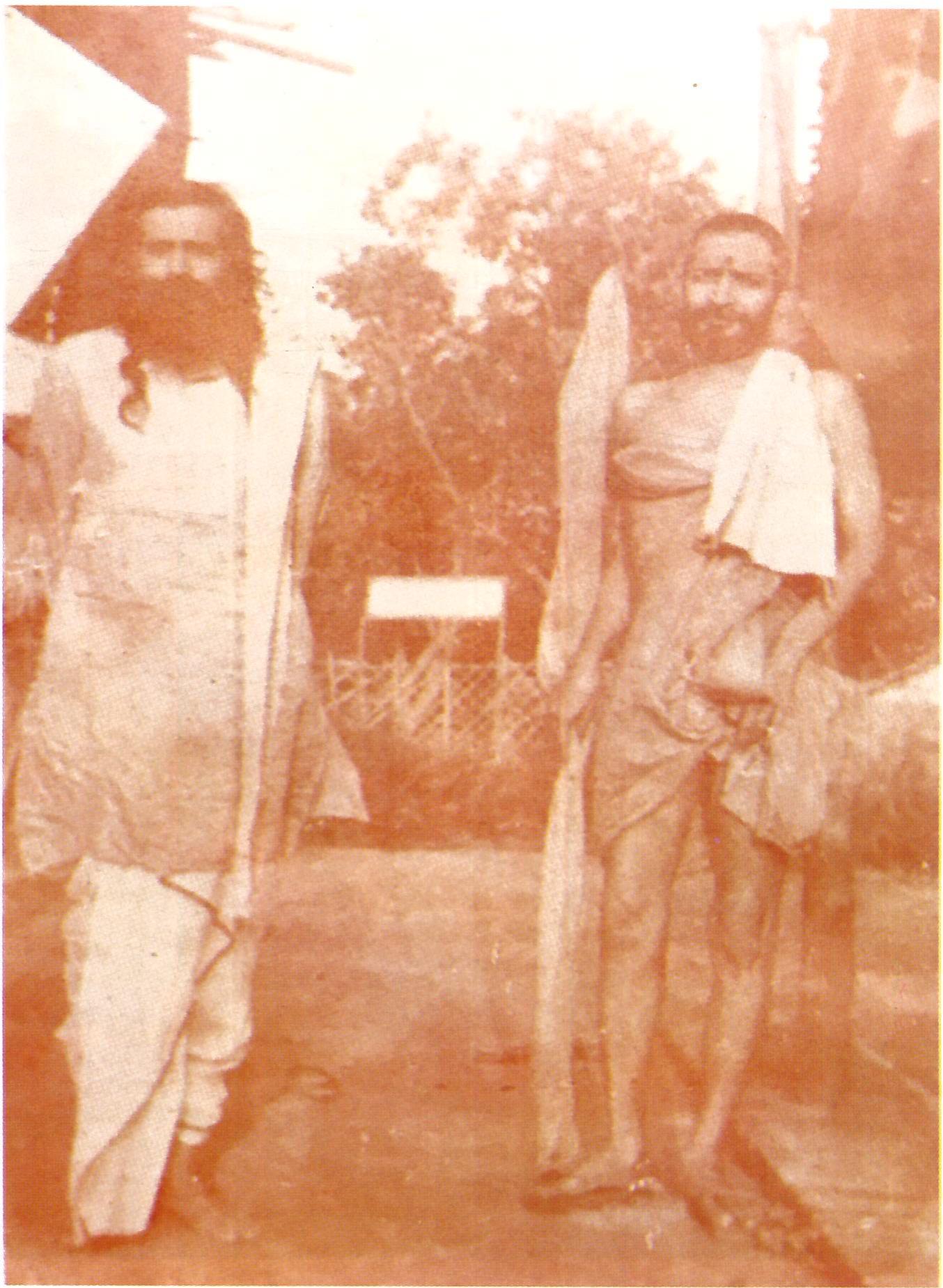
From 1932 onward he undertook extensive journeys on foot across Bharatvarsha. Moving through villages and cities, he met acharyas, scholars, saints and communities, awakening spiritual consciousness through dharmic observance, shastric dialogue, nama-sankirtana and organization.
The establishment of Dharma Sangha in 1940 gave institutional form to this unbroken journey. Dharma conferences, assemblies of Vedic branches, Sanskrit education, schools, yajna-anushthana and centres across the country became different expressions of his sankalpa. He saw Dharma not merely as private belief, but as an enduring order of education, culture and public responsibility.
06
Literature, thought and dharma-raksha
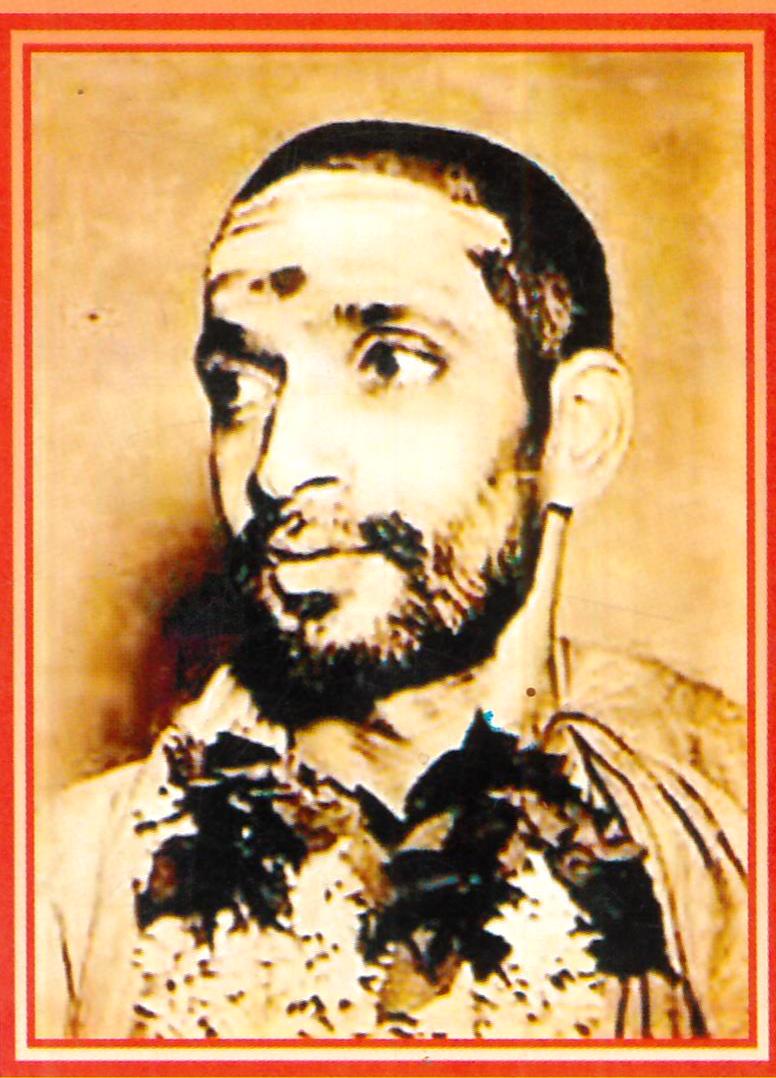
Works such as Sankirtan Mimamsa evam Varnashrama Maryada, Bhagavattattva, Marxvad aur Ramrajya, Ved ka Swaroop aur Pramanya, Veda Pramanya Mimamsa, Veda Swaroop Vimarsh, Shri Vidyaratnakar, Vichar Piyush, Ramayana Mimamsa and Vedartha Parijata reveal the breadth of his shastric and social thought.
Through publications such as Sanmarg and Siddhant, he carried ideas into the public life of his time. His shastric critique of the Hindu Code Bill, non-violent struggle for Gau-raksha, defence of temple maryada and call for governance rooted in Dharma were not separate campaigns; they were parts of one integral vision of Dharma.
07
Devotion to Kashi and nishkama karmayoga
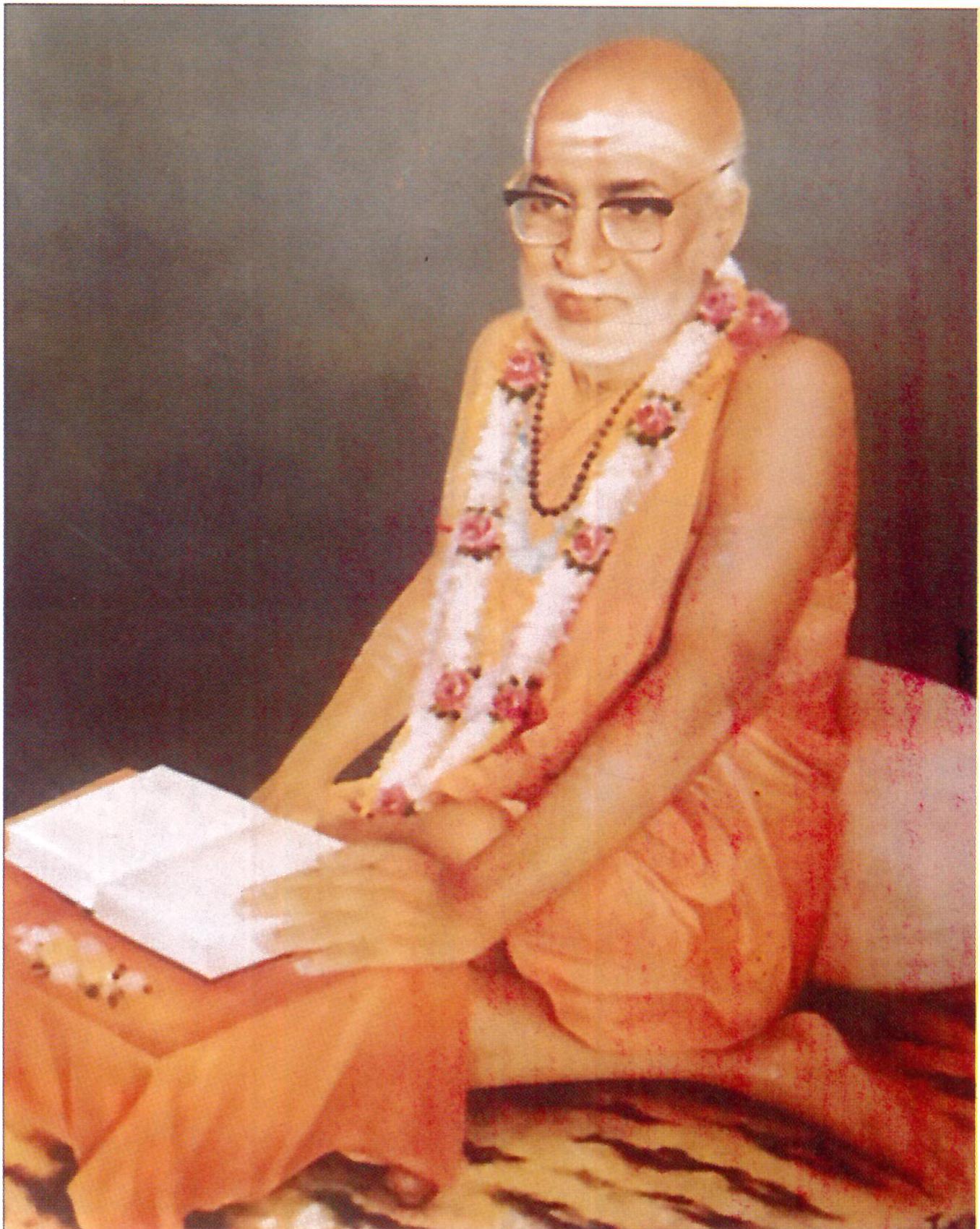
For him, Kashi was an enduring kshetra of Bhagavan Vishwanath’s worship, Chaturmasya, japa, shastric seva and contemplation of the glory of tirtha. Yet his devotion to sacred places was not confined to Kashi; he held deep reverence for the festivals and tirtha traditions of Ayodhya, Vrindavan, Kurukshetra, Prayag, Ujjain and Haridwar.
Japa, stotra recitation, divine worship, teaching and tireless public action were not opposites in his life. To work with complete energy for Vedic Dharma and culture while remaining free from attachment to fruits and ego was his active teaching of karmayoga.
08
Mahaprayana and an unbroken influence
On 7 February 1982, after Ganga snan and while chanting the holy name of Shiva, Dharmasamrat Maharaj Ji became Brahmaleen at Vedanusandhan Kendra in Karpatri Dham, Kashi. On 9 February at Kedar Ghat, Jagadguru Shankaracharya Puri Peethadhishwar Swami Niranjan Dev Tirth Ji Maharaj performed the sacred seva of jal-samadhi in a stone casket in the lap of Mother Ganga.
His remembrance is not merely pride in the past. His sankalpa continues through Guru-Shishya Parampara, Akhil Bharatiya Dharma Sangh, shastric study, preservation of literature, Sanskrit and Vedic education, dharma-raksha and seva. To remember him is to carry his ideals of wisdom, maryada and lokamangala into life.